Hamstring Recovery for Golfers | Why Stretching Often Fails
Hamstring Recovery That Actually Sticks (And Why Stretching Often Doesn’t)

If your hamstrings always feel tight — even after stretching — it’s rarely because they’re short. More often, they’re overprotective.
Hamstrings are highly responsive to load, stress, and fatigue. Long rounds, training sessions, sitting, poor sleep… it all adds up. When that happens, the nervous system keeps tension switched on, and no amount of pulling on a stretch seems to change it for long.
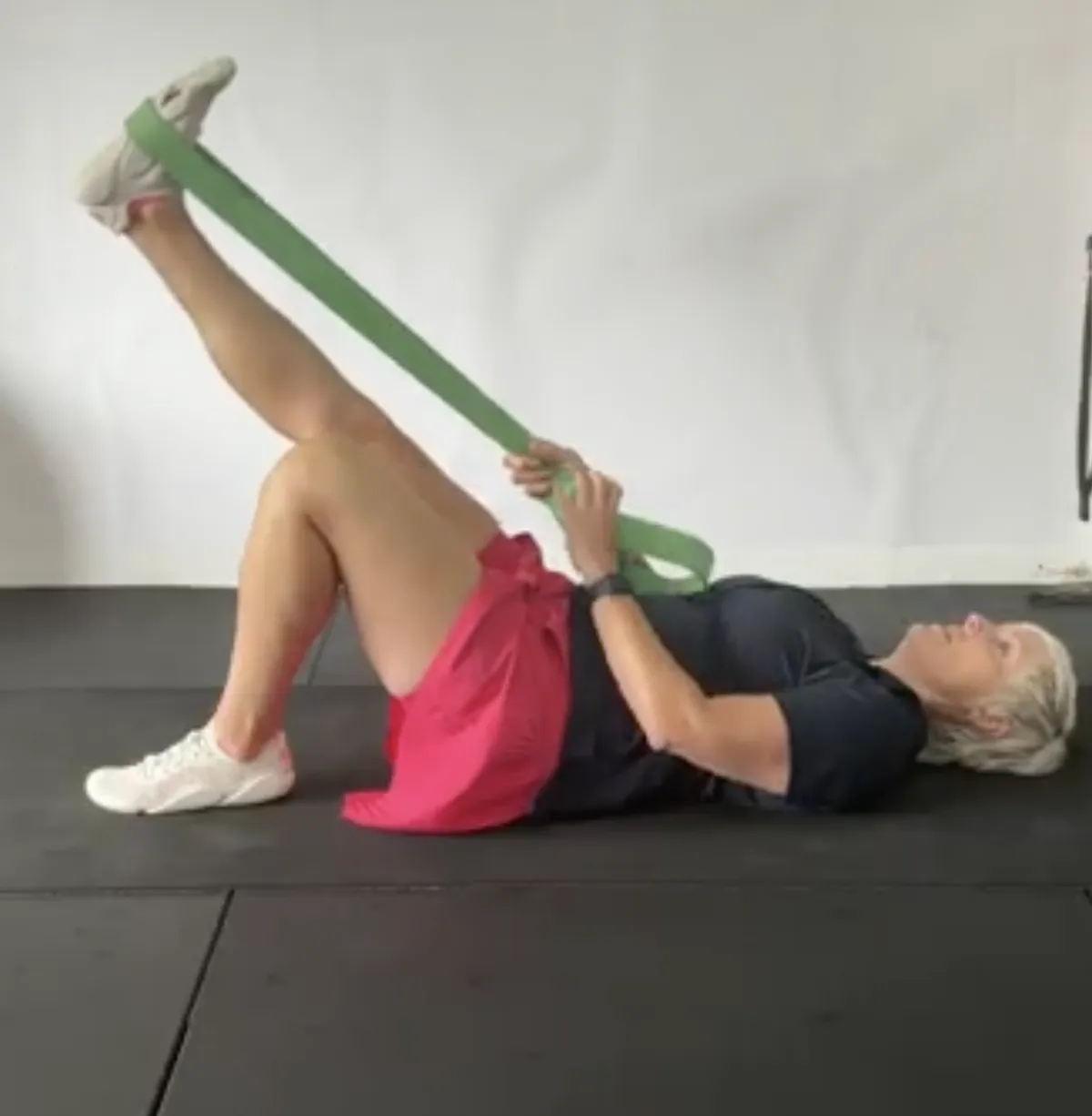
That’s where band-resisted PNF stretching comes in.
Instead of forcing length, this approach briefly asks the hamstrings to contract, then relax. That contract–relax pattern sends a signal to the nervous system that the position is safe. When tone drops, movement improves — and more importantly, it tends to stay improved.
For golfers, this shows up as a cleaner hinge, easier setup, and less back tightness after a round. For everyday movement, it simply feels like less background tension and better recovery between sessions.
The key here isn’t how far you stretch. It’s how calm you stay while doing it. Slow breathing, light effort, and patience matter more than range.
👉 This week’s video shows the basic setup and flow. Inside the Performance Hub, we go deeper into how and when to use this properly — and how to tell whether stretching is actually what your body needs right now. Try the App free here
