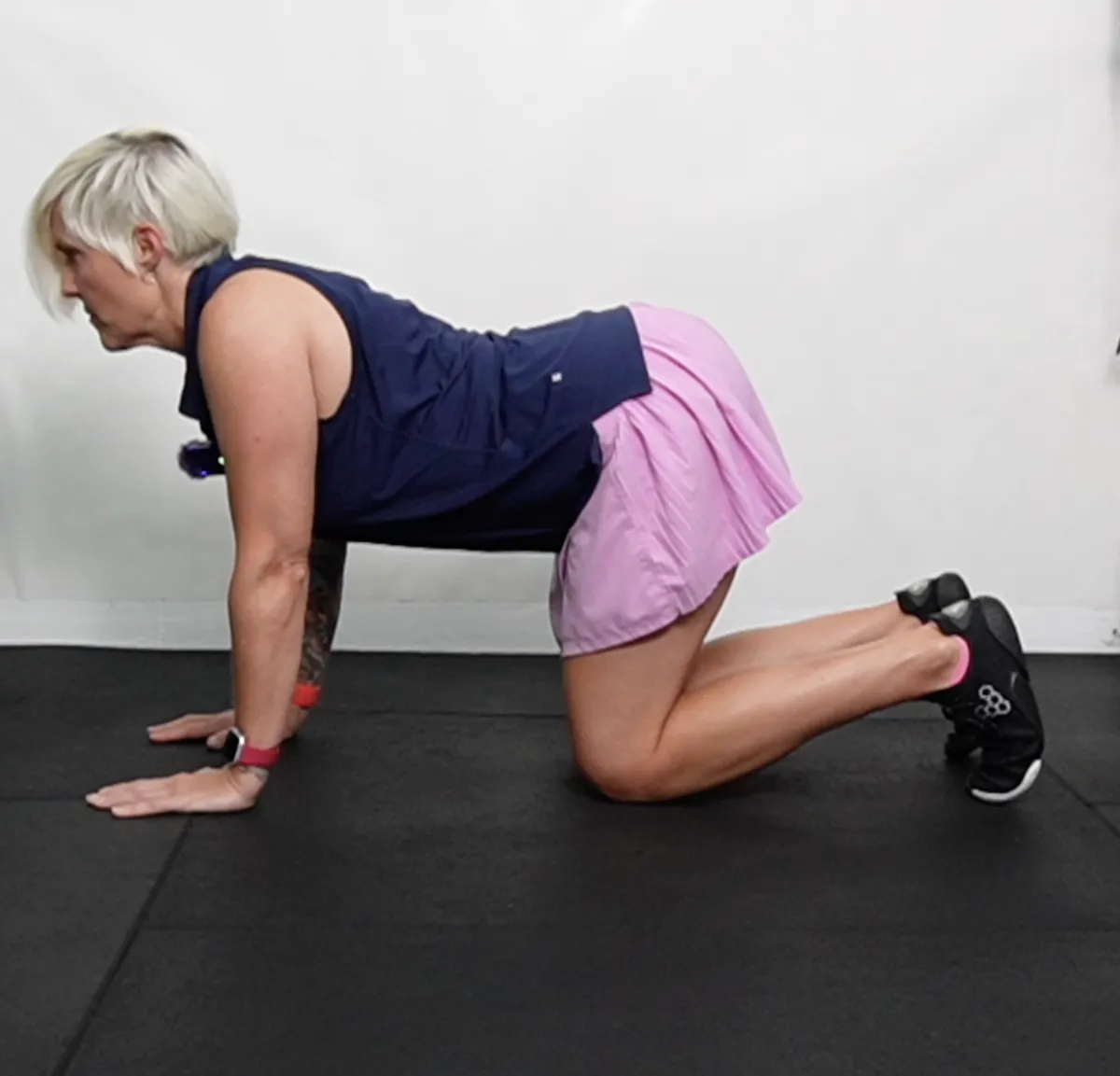
Pelvic Control: Why Holding Position Matters Before Anything Else
Pelvic Control: Why Holding Position Matters Before Anything Else
The pelvis sits at the centre of how the body moves. It connects the lower body to the upper body, links force from the ground into rotation, and quietly dictates how much work the spine, hips, and surrounding muscles have to do just to keep things together. When pelvic control is present, movement looks efficient and calm. When it isn’t, the body starts solving problems in less obvious ways.
Pelvic control is often misunderstood because it doesn’t look like much. There’s no obvious strength display, no visible effort, and no clear “work” being done. As a result, it’s frequently overlooked or rushed past in favour of more tangible training goals like strength, power, or flexibility. The assumption is that if the body is strong enough, control will take care of itself.
In reality, control is a skill, not a by-product of effort. It’s the nervous system’s ability to recognise where neutral is, return to it reliably, and maintain it when demand increases. Coordination, sequencing, and timing matter more here than force. Without that organisation, the pelvis becomes noisy under load, and the rest of the body has to step in to stabilise something that should already be managed.
When pelvic control is missing, patterns tend to repeat. The lower back takes on more movement than it should. The ribs drift forward as the pelvis tips. Muscles like the hamstrings or hip flexors begin to feel constantly tight, not because they lack length, but because they’re being asked to provide stability instead of movement. The body isn’t failing — it’s protecting a position it doesn’t trust.
In sport, this often shows up as loss of posture, early extension, or inconsistent contact when speed or fatigue increases. The movement doesn’t suddenly fall apart; it simply loses its foundation. In everyday life, it can look like standing fatigue, recurring lower back tightness, or a sense of never quite feeling settled through the hips, even without obvious pain.
Understanding pelvic control changes how training should be approached. It shifts the focus away from chasing effort and toward building trust in position. When the body knows it can hold itself together without tension, everything layered on top becomes more effective. Strength supports movement instead of distorting it, and performance becomes something the body can express rather than fight for.
👉 This week’s video shows how to train control. View it inside the Performance Hub
