Posterior Chain Strength: Why Hamstrings Matter More Than You Think
Posterior Chain Strength: Why Hamstrings Matter More Than You Think

If you struggle to touch your toes or your hamstrings constantly feel tight or vulnerable, flexibility might not be the real issue.
More often, it’s a strength and load-tolerance problem.
For golfers, weak hamstrings can show up as poor hinge mechanics, early extension, loss of speed, or lower back tightness after a round. In everyday life, it often looks like recurring hamstring strains, back discomfort, or feeling unstable when bending, lifting, or running.
The posterior chain includes the hamstrings, glutes, and supporting muscles along the back of the body. Together, they help you produce force, absorb load, and move efficiently from the ground up.
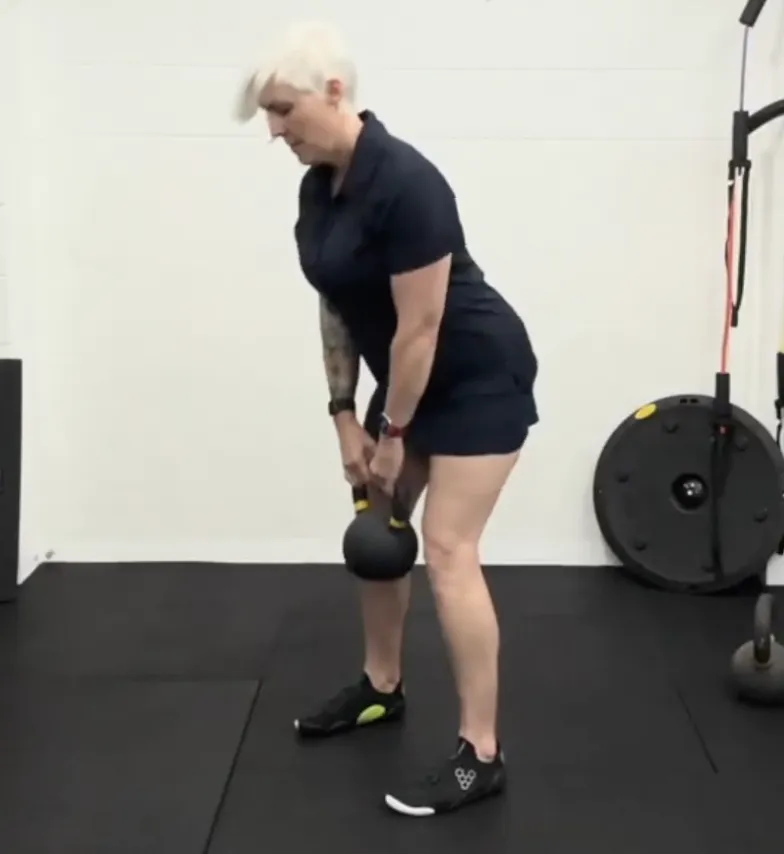
Deadlift variations are one of the most effective ways to train this system — not by lifting as heavy as possible, but by learning to hinge properly. That means pushing the hips back, keeping the spine long, feeling the hamstrings load, and standing tall without overdoing the lower back.
If deadlifts mostly show up in your lower back, it’s usually a sign the pattern or load needs adjusting. And if hinging feels awkward or uncomfortable, it may not be a hamstring flexibility issue at all — it could be spinal mobility, strength, or another compensation entirely.
That’s why proper assessment matters. It helps make sure your training is actually solving the problem instead of guessing at it.
👉 If this made you rethink “tight hamstrings,” there’s more where this came from.
Inside the Swing Fit app, we break down the why behind movement limitations and how strength actually fits into the bigger picture.
