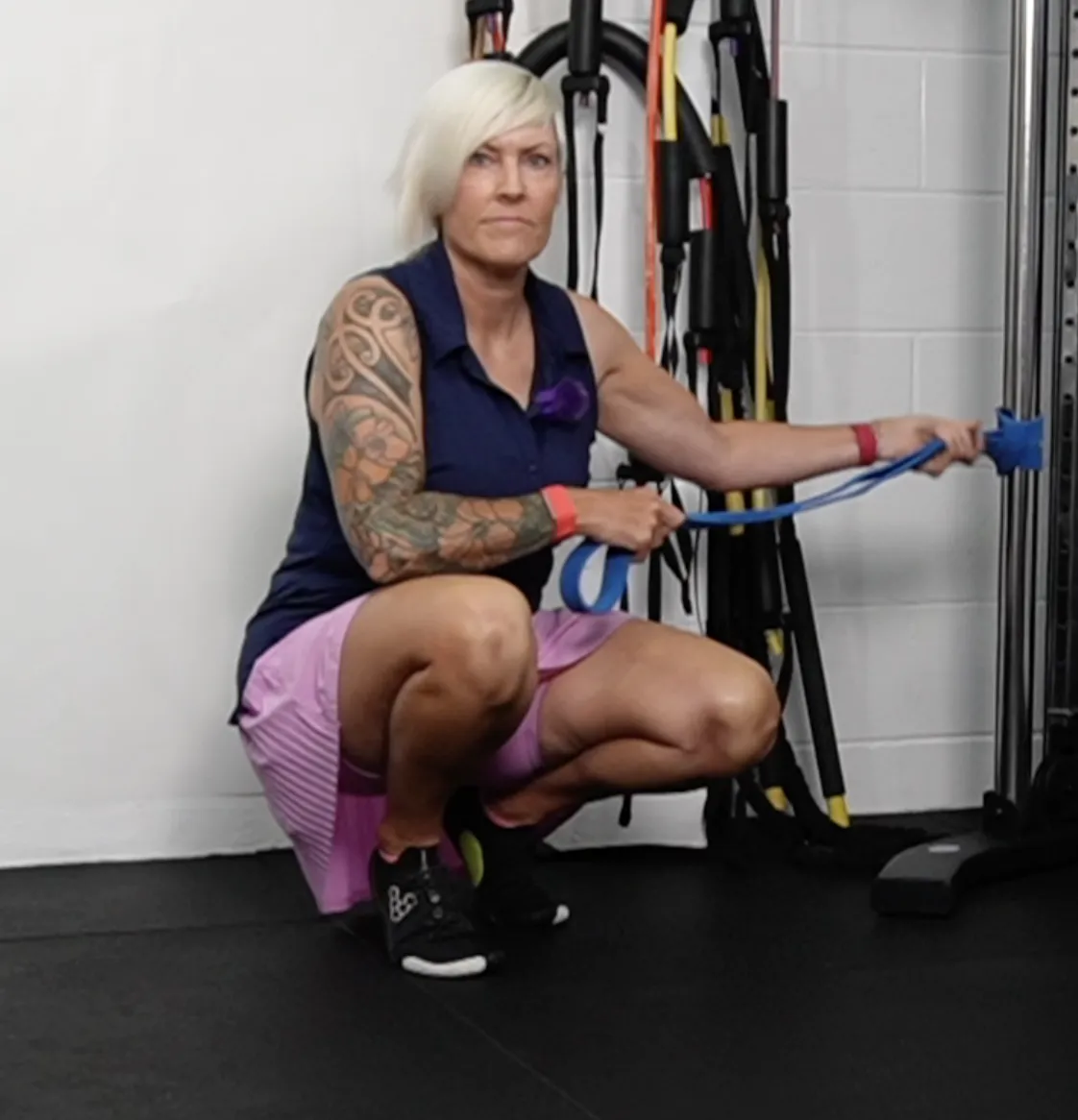
Why Hip Flexors Stay Tight Even When You Stretch
Why Hip Flexors Stay Tight Even When You Stretch
Over the last few weeks, we’ve been looking closely at pelvic tilt — how the pelvis positions itself, why that matters, and how it influences the way the rest of the body moves. This week, the focus shifts slightly. Rather than analysing position alone, we’re looking at tension — specifically, why the front of the hips so often feels tight, guarded, or difficult to settle.
When hip flexors feel tight, it’s easy to assume the issue is flexibility. Stretching becomes the default response. But hip flexor tension is rarely just about length. More often, it reflects how the pelvis is being organised and how much work the system is asking the hip flexors to do in the background.
Hip flexors play a dual role. They contribute to movement, but they also help manage stability when the body doesn’t feel well supported. If pelvic position isn’t secure, the hip flexors often stay switched on to help hold things together. Over time, that low-level effort becomes familiar, and tension starts to feel like the norm rather than a response.
This matters because a pelvis that doesn’t feel neutral rarely allows the hips to fully relax or move freely. When the system doesn’t trust its ability to stay balanced, it tends to default into positions that feel safer, even if those positions come with longer-term consequences. Tightness, in this context, isn’t a flaw. It’s a compensation.
Over time, this shifts the baseline. The body adapts around the tension, and what began as a response becomes the default way movement is organised.
This is where many people get stuck. Without understanding the relationship between pelvic organisation and hip flexor tone, it’s easy to chase symptoms. Stretching becomes more aggressive. Strength work targets muscles that are already overworking. And progress stalls.
When pelvic position is viewed as a response rather than something to correct, the conversation changes. Tight hip flexors stop being the enemy and start becoming useful information. They tell us how safe the body feels, how well supported the pelvis is, and whether the system is organised enough to let go.
Understanding that distinction shifts how movement, training, and recovery are approached. It replaces force with context, and correction with interpretation. And that’s often where meaningful, lasting change begins.👉 This week’s video shows how to improve hip extension. View it inside the Performance Hub
